

Tooth decay treatment is often associated with obvious symptoms like strong pain or visible holes in the teeth. In reality, many cavities begin quietly and progress much further than patients expect before they become noticeable. Some of the most significant decay we treat starts from areas that looked relatively minor from the outside or caused only occasional sensitivity.
As a dentist, one of the most common things I hear from patients is, “I thought it was just a small cavity.” Most of the time, patients are not neglecting their teeth or avoiding care intentionally. Life gets busy, symptoms come and go, and many cavities develop slowly enough that they do not immediately disrupt daily life. The important thing to understand is that modern dentistry gives us many ways to manage tooth decay effectively, especially when we identify problems before the tooth becomes severely compromised.
Why Some Cavities Progress Faster Than Patients Expect
Not all cavities behave the same way. Some remain relatively small for long periods of time, while others spread underneath the enamel or between the teeth where they are difficult to see during daily brushing. Patients are often surprised to learn that a tooth can appear mostly normal from the outside while decay is progressing internally beneath the surface.
This is especially common in areas between back teeth or underneath older fillings. In these situations, the visible opening may look small, but the bacteria underneath can gradually weaken a much larger portion of the tooth structure over time. Because the nerve inside the tooth is still protected initially, patients may not feel strong pain until the decay has already become more extensive.
One of the reasons regular dental exams and X-rays are so valuable is that they allow dentists to detect these hidden areas early. Identifying decay before the tooth becomes structurally compromised often makes treatment simpler, more conservative, and more comfortable for patients.
A Real Situation I Recently Saw In Practice
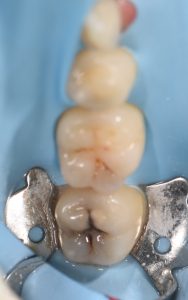
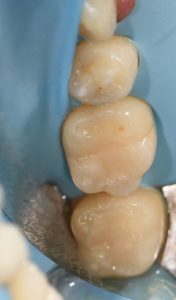
Recently, I treated a patient who came in because of mild sensitivity when drinking cold beverages on one side of the mouth. The patient was not experiencing severe pain and assumed the issue was probably a small cavity or minor sensitivity that could wait a little longer.
During the examination and X-rays, however, we discovered that the decay had actually spread much deeper underneath an older filling than expected. From the outside, the tooth still looked relatively stable, which is exactly why the patient had no reason to think the situation was more advanced. Once we removed the old restoration and cleaned the area properly, it became clear that a much larger portion of the tooth had been affected internally.
Fortunately, we were still able to save the tooth successfully. However, instead of a small filling, the tooth required a more comprehensive restoration to protect the remaining structure long-term. Situations like this are very common in dentistry and are one of the reasons dentists encourage patients not to rely only on pain when deciding whether something should be evaluated.
Why Tooth Decay Treatment Is Not Just About “Fixing A Cavity”
Patients sometimes think of tooth decay treatment as simply removing decay and placing a filling. In reality, dentists are also thinking carefully about the long-term strength and stability of the tooth after treatment is completed.
When decay becomes larger, more natural tooth structure needs to be removed in order to clean the area properly. This can affect how the tooth handles pressure during chewing and may change which type of restoration offers the best long-term result. In some cases, a filling remains the ideal solution. In others, a crown or more protective restoration may help prevent future fractures or repeated treatment.
This does not mean that larger decay automatically leads to complicated procedures. Dentistry today offers many predictable ways to restore teeth comfortably and conservatively. The key is understanding the condition of the tooth early enough to choose the most appropriate treatment before more serious structural damage develops.
What Dentists Evaluate During Tooth Decay Treatment
Before recommending treatment, dentists evaluate much more than the visible cavity itself. The condition of the surrounding tooth structure, the location of the decay, and the long-term prognosis of the tooth all influence treatment planning.
Some of the most important things dentists evaluate include:
- How deep the decay extends: Cavities closer to the nerve may require more protective treatment approaches.
- Whether old fillings are leaking or breaking down: Decay frequently develops underneath older restorations.
- How much healthy tooth structure remains: This helps determine whether a filling or crown will provide better long-term stability.
- The location of the cavity: Areas between teeth or near the gums are often more difficult to detect and restore.
- Bite pressure and grinding habits: Teeth exposed to heavier pressure may require additional protection after treatment.
Evaluating these factors carefully helps dentists create treatment plans that are designed not only to remove decay, but also to preserve the tooth as comfortably and predictably as possible.
Tooth Decay Treatment In Richmond At Tüth Dental
Tooth decay treatment should never feel overwhelming or judgmental. At Tüth Dental, we understand that many patients feel anxious when they hear they have a cavity or need restorative treatment, especially if the issue becomes larger than expected over time.
Our approach focuses on explaining the situation clearly, helping patients understand their options, and creating treatment plans that prioritize both comfort and long-term oral health. If you have sensitivity, an older filling that may need evaluation, or simply have not had your teeth checked in some time, our team is here to help you move forward with confidence and without pressure. Contact us today to schedule an appointment, and we will work with you to protect and restore your smile comfortably.