

When I talk to patients about dental implants, I like using the word “foundation,” because it makes a pretty technical subject way easier to picture. There’s also a phrase in implant dentistry that captures the idea really well: “The bone sets the tone, but tissue is the issue.” An implant needs the right bone support underneath it, and it also needs the right gum tissue around it once everything’s done. Miss either one, and the implant might work fine functionally but still not look or feel right.
That’s where grafting comes in. In simple terms, a graft is just a procedure where we add material, either bone or gum tissue, to build up an area that doesn’t have quite enough of what we need for the implant to succeed. A bone graft rebuilds the ridge underneath. A soft tissue graft thickens up the gum around the implant. They’re not interchangeable, and neither one is automatically necessary for every patient. Each one solves a completely different problem, which is why I look at them separately when I’m figuring out what a specific case actually needs.
Here’s what that looks like in practice.
A Two-Implant Case That Needed the Full Sequence
I recently met a patient who came in needing implants for two teeth, and once we got into it, his treatment ended up covering pretty much every stage we offer here, which made it a good example of how these pieces fit together.
We started with an extraction. Once that site had healed some, the images showed the ridge didn’t have enough width to support the implants we were planning, so next came a bone graft, essentially rebuilding that foundation before we placed anything on top of it.
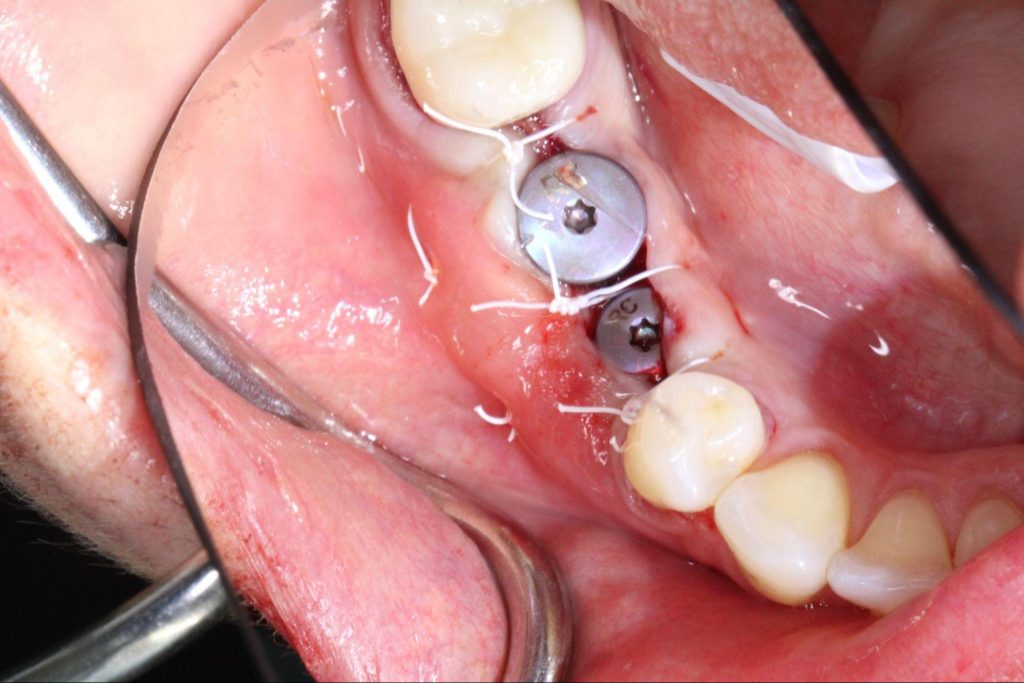
Once the site had developed the way we wanted, we placed both implants and gave them time to integrate with the bone. After that, we moved on to the crowns, the actual visible teeth people see when he smiles. Last came a gum graft, to thicken up the tissue around the implants so everything would look natural and hold up well long term.
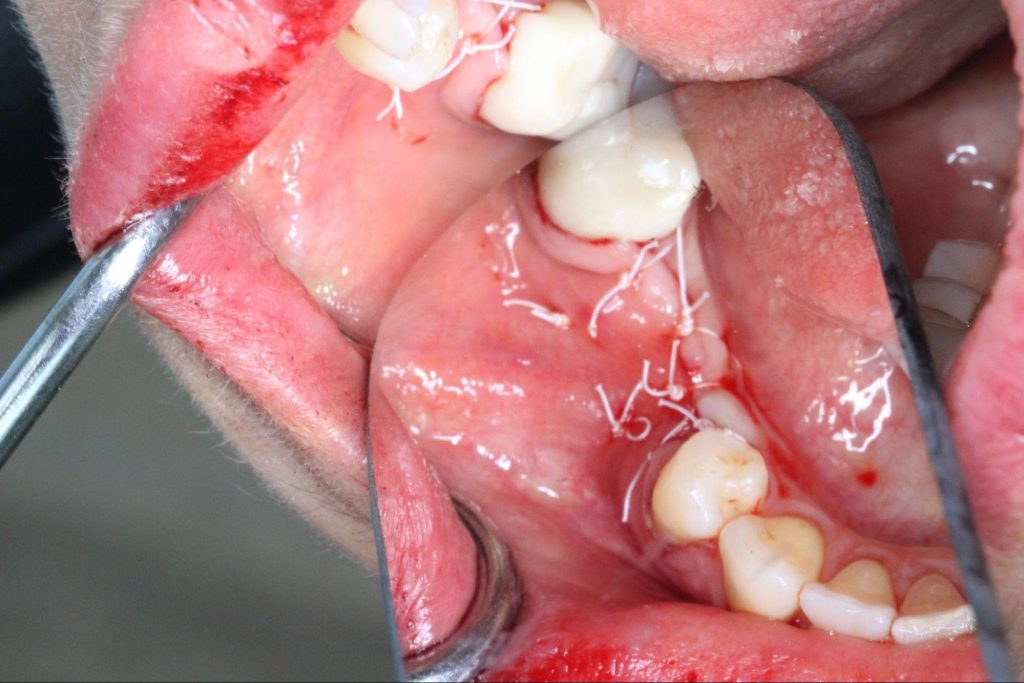
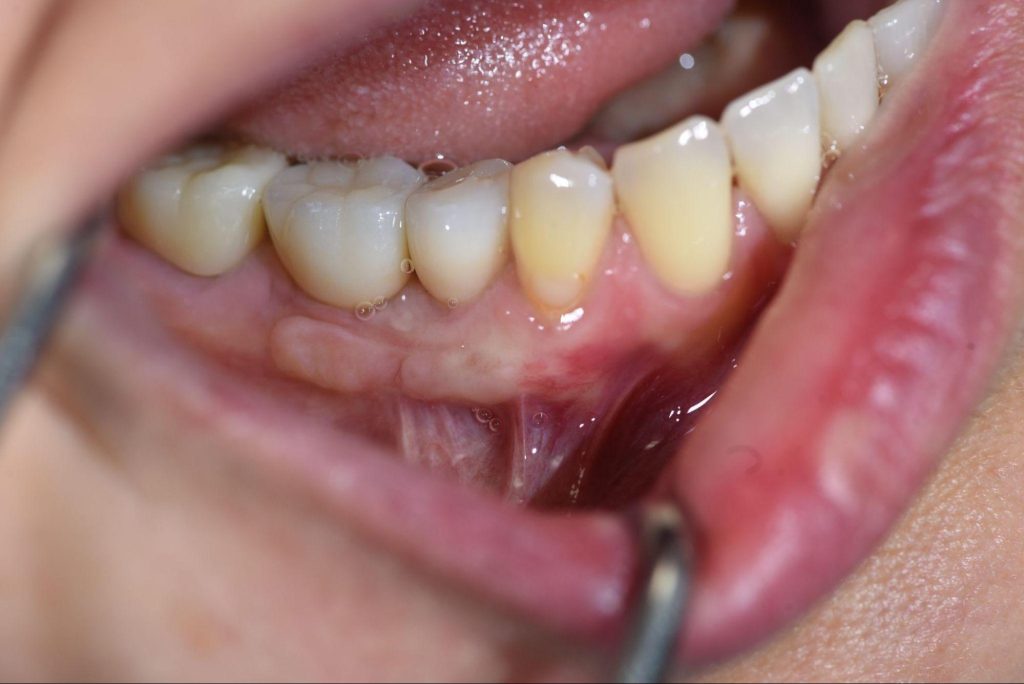
Laid out like that, extraction, bone graft, two implants, crowns, gum graft, it sounds like a lot. But each step was there because of something specific we found once we actually looked, not because that’s just how implants always go. Some patients need one or two of these steps. Others need all of them. It comes down to what’s going on at that particular site, which is exactly what the bone graft and gum graft pieces of his treatment were solving for.
Why the Bone Graft Came First
That bone graft wasn’t just “adding bone” in some general sense. “Not enough bone” can sound like a simple quantity problem, but I’m usually thinking about geometry just as much as volume. I need to look at the width and height of the ridge, and just as important, where that bone actually sits in relation to the tooth we’re eventually trying to create.
I actually plan backward from the future tooth. I look at where the crown should come through, how it should line up with the teeth next to it and across from it, and where the implant would ideally sit underneath all of that. In this patient’s case, the ridge just didn’t offer enough support in the right spot, so the graft let us build that up first instead of letting the existing anatomy call the shots.
Timing depends on what we find. A smaller area might get grafted right when the implant goes in. A site that needs more building up, like this one, gets grafted first and given time to heal before we even touch the implant surgery. That’s part of why I try not to give patients a timeline based on someone else’s treatment. The real question isn’t “how long does an implant take?” It’s “what needs to happen at this specific site before we’re ready for each step?”
Why the Gum Graft Came Last
Once the implants were placed and the crowns were on, you might think the case was done. But bone and gum tissue are solving two completely different problems, so getting the bone right doesn’t automatically mean the gum tissue is where it needs to be too.
Soft tissue is what forms the visible, day-to-day maintainable area around an implant restoration, so I’m looking at its thickness, its contour, and how much firm tissue is around the site. This becomes especially important with front teeth, where the transition between the crown and the gumline is a big part of what makes the whole thing look natural, but it matters elsewhere too. Thin tissue can behave pretty differently from thicker tissue, both in how it looks and in how easy it is to keep clean around the implant.
In this patient’s case, the tissue around both implants was thinner than I wanted for how things would hold up long term, so a gum graft was the last step, thickening things up so the result would look natural and stay healthy for years to come. It’s a good example of why needing a bone graft doesn’t tell me everything about the gums, and why healthy-looking gums early on don’t tell me what the ridge underneath actually looks like. They’re two separate questions, and sometimes a case needs an answer for both.
What Actually Determines the Plan
There’s no standard “implant plus graft” package I pull off the shelf whenever someone’s missing a tooth. I build the plan around what I actually see, clinically and on your images. A handful of things shift whether grafting comes into play at all, which kind we’re talking about, and when it happens in the process:
- How long the tooth’s been missing: A site that was just extracted and one that’s been empty for years can look pretty different. Time alone doesn’t tell me whether you need grafting, but it gives me helpful context for what I’m seeing in the ridge.
- Where the missing tooth is: Replacing a front tooth comes with different anatomical and cosmetic considerations than replacing a molar. Up front, even small changes in tissue contour can end up being visible when you smile.
- How much of the ridge needs building up: A small dip in an otherwise good site is a different situation than an area that needs a lot more rebuilding, like the case above. How much work is needed can affect whether I want to combine procedures or give the site its own healing time.
- The condition of the soft tissue: I’m looking at more than just whether the gums look healthy. Thickness, how much firm tissue is there, and the contours we want around the future tooth all factor into whether a soft tissue graft is worth doing.
- When the tooth is coming out: If we’re planning an implant before an extraction has even happened, we get the chance to think about preserving the site from the very beginning. That’s a very different starting point than looking at a ridge years after the tooth’s already gone.
- What the final tooth needs to do: A single implant between two natural teeth, an implant in the back of the mouth, and a bigger, more complex restoration like the two-implant case above all bring their own planning challenges. What we’re building toward shapes every decision that comes before it.
For patients, the practical takeaway here is that it’s completely fair to ask what a graft is actually meant to accomplish, bone or gum, and why it’s happening at that particular stage. I love pulling up your images and pointing right at the spot I’m talking about. Once you can actually see what we’re trying to change, the whole sequence tends to feel a lot less abstract.
Dental Implants In Richmond
If you’re thinking about replacing a missing tooth, you really don’t need to figure out ahead of time whether you’ll need a bone graft, a gum graft, both, or neither. That’s exactly what the implant assessment is for. Bring your questions to Tüth Dental, and I’ll show you what your implant site actually looks like, walk you through what any recommended grafting would actually accomplish, and map out the stages that apply to you specifically. Reach out to our team to book an implant consultation, and we’ll start with what’s actually there today.