

Dental trauma can happen suddenly and without warning. A fall, a sports injury, or even a simple accident can result in a tooth being fractured or completely knocked out. When the injury involves a front tooth, the situation can feel especially alarming because it affects both function and appearance.
One of the most serious forms of dental trauma is called avulsion, which occurs when a tooth is completely displaced from its socket. Although this type of injury requires immediate attention, modern dentistry offers several ways to restore both the health and the appearance of the smile after trauma.
Understanding what to do in the moments following a dental injury can make a significant difference in the outcome.
What Happens When A Front Tooth Is Knocked Out
When a tooth is knocked out entirely, the surrounding tissues, nerves, and blood supply are suddenly disrupted. The tooth may fall to the ground or remain attached to soft tissue, but in either case it is no longer anchored within the bone.
This type of injury is most common in the upper front teeth because they are positioned at the front of the mouth and are more exposed during accidents. The impact may also cause damage to nearby teeth, gums, or supporting bone.
Even though the situation can appear dramatic, prompt professional care can often restore the function and aesthetics of the affected area. The key is seeking dental evaluation as soon as possible so the dentist can determine the best course of action.
What To Do Immediately After Dental Trauma
The first few minutes after a dental injury are important. Taking the right steps can help preserve the surrounding tissues and improve the chances of successful treatment. If a tooth has been knocked out, it is important to remain calm and follow several basic steps before reaching a dental office:
- Locate the tooth carefully. If possible, pick it up by the crown rather than the root to avoid damaging delicate tissues.
- Avoid scrubbing the tooth. If it is dirty, gently rinse it with clean water without rubbing the surface.
- Keep the tooth moist. Placing it in milk or a specialized preservation solution can help protect the cells on the root surface.
- Seek dental care immediately. Time plays a crucial role in determining the available treatment options.
Even when the tooth cannot be saved, early evaluation allows dentists to stabilize the area and begin planning for a long-term restoration.
A Real Clinical Case From Our Practice
In my day-to-day work as a dentist, I often see how unexpected dental trauma can be. One case that stands out involved a patient who arrived after suffering a fall that caused severe injury to the upper front teeth. One of the teeth had been completely avulsed, while the surrounding teeth had also experienced significant trauma.
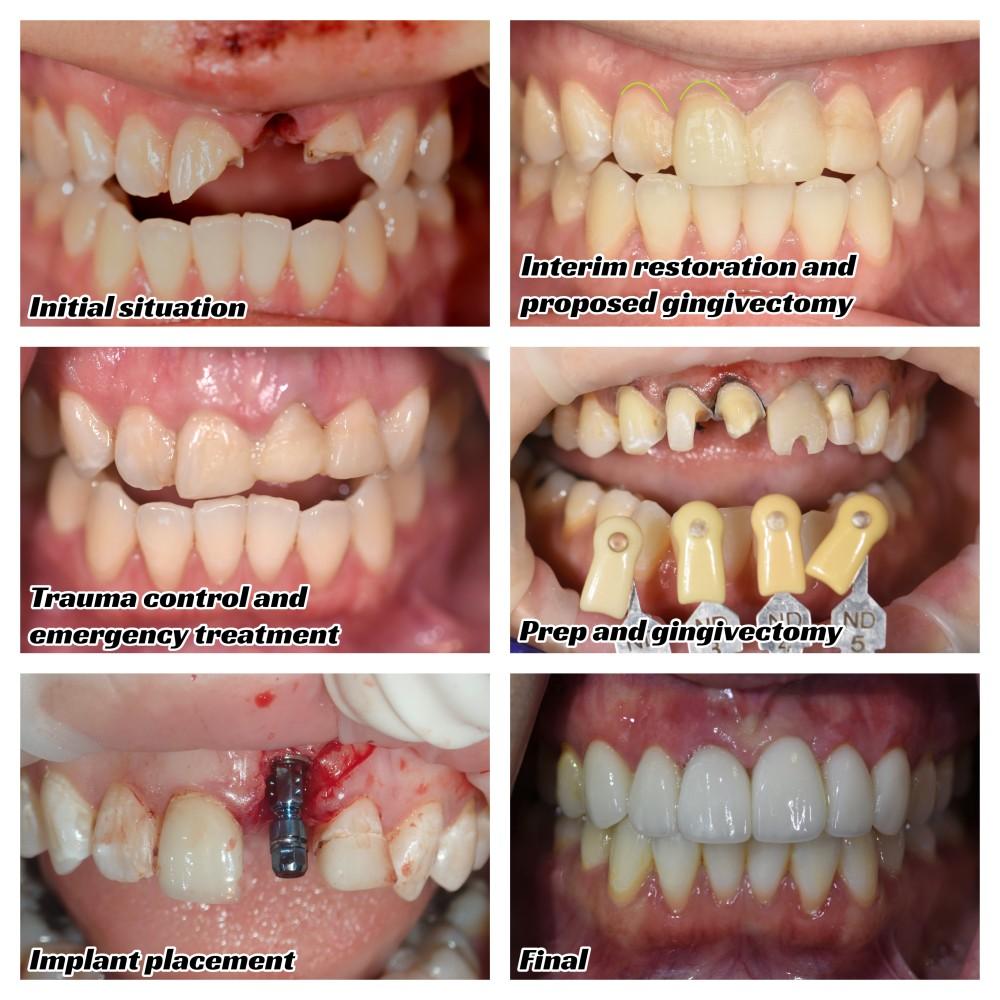
When the patient arrived at our clinic, we performed a thorough examination to evaluate the extent of the injury and determine the best treatment plan. The avulsed tooth could not be reimplanted due to the condition of the surrounding structures, and the damage to the area required a carefully planned restorative approach.
Over the course of treatment, we focused on rebuilding both the function and the aesthetics of the smile. The damaged structures were stabilized and the missing tooth was ultimately replaced with a dental implant, restoring the patient’s ability to bite comfortably while achieving a natural appearance.

Cases like this demonstrate that even when a tooth is lost due to trauma, modern dental treatments can successfully rebuild the smile when the condition is managed by an experienced dental team.
Why Prompt Treatment Matters After Dental Trauma
Dental injuries rarely affect just a single tooth. The surrounding bone, gums, and neighboring teeth can also experience stress during the impact. Without professional evaluation, hidden complications may go unnoticed.
Prompt treatment allows dentists to detect fractures, damage to supporting structures, or infection risks before they become more serious. Early intervention also helps preserve bone structure, which is important for future restorative procedures such as implants.
For patients who lose a front tooth, timely care also plays a role in achieving a natural-looking restoration. Proper planning ensures that the replacement tooth blends seamlessly with the surrounding teeth and supports long-term oral health.
Dental Trauma In Richmond: Professional Care After A Knocked-Out Tooth
Dental trauma in Richmond should always be evaluated by a dentist as soon as possible. At Tüth Dental, we carefully assess injuries involving knocked-out or damaged teeth and develop a treatment plan that prioritizes both function and aesthetics.
Our team focuses on restoring oral health while helping patients regain confidence in their smile after unexpected accidents. If you or a family member experiences dental trauma or a knocked-out tooth, seeking professional care quickly can make a meaningful difference in the outcome. Get in touch with us and we’ll be glad to help.