

One of the most common questions patients ask after a dental exam is whether a tooth can be repaired with a filling or if it needs a crown instead. Many people assume the answer depends only on the size of the cavity, but dentists evaluate much more than the visible damage itself. The decision often comes down to how much healthy tooth structure remains and whether the tooth can continue handling daily pressure safely over time.
This conversation can feel confusing for patients, especially when the tooth is not causing major pain. However, modern dentistry is not only about fixing active problems. It is also about recognizing when a tooth is beginning to lose structural stability and choosing the option that gives it the best long-term chance of survival. In many situations, recommending a crown is less about “doing more treatment” and more about preventing a cycle of repeated repairs that gradually weaken the tooth further.
What Dentists Look At Before Recommending A Crown
When dentists evaluate whether a tooth should receive a filling or a crown, they are looking at the overall condition of the tooth rather than focusing only on the cavity itself. A small area of decay in an otherwise healthy tooth is very different from a tooth that has already been restored multiple times over many years.
Molars are especially important in this discussion because they absorb significant chewing pressure every day. Over time, large fillings can leave the remaining tooth walls thinner and more vulnerable to flexing under pressure. Even when a filling technically “works,” the surrounding tooth structure may already be under stress that patients cannot see or feel yet.
Dentists also look for signs such as worn edges around older restorations, tiny fractures in the enamel, recurring decay beneath fillings, or changes visible on X-rays. In many cases, the concern is not that the filling itself has failed, but that there is no longer enough strong natural tooth left to support another large repair predictably.
A Real Situation We Frequently See In Practice
As dentists, we often see patients who come in because an old filling suddenly broke while eating something relatively normal. What surprises many people is that the tooth had usually been showing signs of structural fatigue for quite some time before the fracture actually happened.
A common example involves a molar that has already gone through several large fillings over the years. Each time decay returns or a filling chips, slightly more natural tooth structure needs to be removed to repair the area again. Eventually, the tooth can reach a point where another filling would act more like a patch than a true reinforcement.
In one situation we recently treated, a patient arrived expecting a simple filling replacement after noticing sensitivity on one side while chewing.This is called cracked tooth syndrome. Say something about testing the patient’s bite and pain was triggered on bite release, as well as x-ray and intra-oral confirming the existence of the crack.
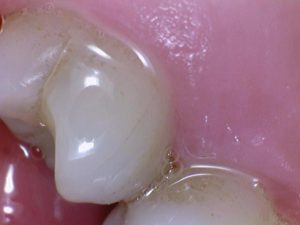
During the examination, we found that the remaining tooth walls had become extremely thin around a large older restoration. Instead, we recommended a crown to protect the tooth before it progressed into a more serious problem requiring root canal treatment or extraction.
Situations like this are often frustrating for patients because the tooth may not have been causing severe pain yet. At the same time, these are exactly the moments when preventive decisions can make the biggest difference in preserving the tooth long-term.
Why Crowns Protect Teeth Differently Than Fillings
Fillings and crowns are designed for different structural situations. A filling repairs a specific damaged area while relying on the surrounding tooth to remain strong enough to support normal function. A crown works differently because it covers and reinforces the entire visible portion of the tooth, helping distribute pressure more evenly across weakened areas.
This distinction becomes especially important when a tooth already contains a large restoration or has developed cracks from years of stress. In those cases, continuing to enlarge the filling may leave the tooth increasingly vulnerable during everyday activities such as chewing, grinding, or biting into harder foods.
Dentists may recommend a crown when they identify factors such as:
1) Existing fracture, broken down and worn teeth
2) Cracked tooth syndrome with symptoms (i.e. pain on bite release)
3) Large amount of missing tooth structure from advanced decay or heavily restored tooth (especially large amalgam/silver restoration)
4) Previous root canal treatment leading to high risk of fracture
5) Replacement of existing crown due to decay or damage
6) Aesthetic restoration to improve your smile and dental appearance
7) Tooth position realignment/ rearrangement
8) Tooth replacement or dental implants
The goal is not to replace fillings unnecessarily. In fact, dentists generally prefer the most conservative option possible. However, there comes a point where preserving the remaining tooth becomes more important than preserving the smaller type of restoration.
Why Treatment Decisions Should Be Personalized
Not every large filling automatically means a crown is necessary, and not every cracked tooth requires aggressive treatment. Dentistry is highly individualized, which is why proper evaluation is so important before making recommendations.
Factors such as bite pressure, grinding habits, cavity size, tooth location, age of the existing restoration, and overall oral health all influence the decision-making process. Two patients may have fillings that look similar at first glance but require completely different approaches once the tooth is examined more closely.
This is also why regular dental visits matter even when nothing feels obviously wrong. Dentists are often able to identify changes in the structure of a tooth before they become painful emergencies. Addressing those issues earlier can help patients avoid more invasive procedures later and preserve healthy teeth more predictably over time.
Do I Need A Crown Or Filling In Richmond? Tüth Dental Can Help You Decide
The answer to this question depends on the condition and long-term stability of your specific tooth. At Tüth Dental, we take the time to explain what we see during the exam, discuss why certain treatments may be recommended, and help patients understand the reasoning behind those decisions in a clear and comfortable way.
If you have an old filling, recurring sensitivity, or a tooth that has already been repaired multiple times, our team is here to help you explore the most appropriate treatment options. Contact us today to schedule an evaluation, and we will work with you to protect your smile with a treatment plan designed around your individual needs.