

Many patients are interested in Invisalign because they want a straighter smile without the appearance of traditional braces. The treatment is discreet, comfortable, and fits naturally into many adult and teenage lifestyles. At the same time, one of the biggest misconceptions about Invisalign is the idea that treatment simply starts with taking scans and receiving aligners a few days later.
In reality, dentists evaluate several important factors before creating an Invisalign plan. This process is not meant to make treatment feel intimidating or complicated. It is actually designed to help patients move their teeth safely and comfortably while supporting healthy, stable results over time.
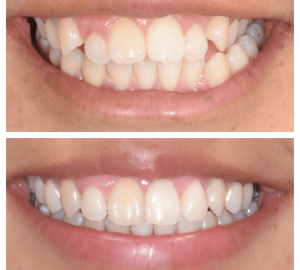
Why Dentists Look Beyond Crooked Teeth
One of the first things dentists evaluate before Invisalign treatment is the health of the gums and supporting bone around the teeth. Even patients with mild crowding may need some preliminary care if there is inflammation, gum recession, or signs of periodontal disease. Healthy teeth still need healthy support structures in order to move properly. Crooked teeth will also cause additional toothwear, aka “parafunctional habits”. This means your teeth won’t last as long and will keep chipping.
Dentists also pay close attention to how the upper and lower teeth fit together during chewing and speaking. Some patients come in focused mainly on cosmetic concerns, but bite function often plays a major role in treatment planning. If excessive pressure is being placed on certain teeth because of grinding or clenching habits, those forces need to be considered carefully before aligners begin moving the teeth.
This does not mean patients with bite issues or previous dental work cannot receive Invisalign treatment. In fact, many patients with crowns, bonding, or more complex alignment concerns can still be excellent candidates. The important part is understanding these details early so the treatment plan can be customized appropriately.
A Real Situation We Commonly See During Invisalign Consultations
As dentists, we often meet patients who assume they are either “perfect candidates” or “not candidates at all” based only on how straight their teeth appear in the mirror. In reality, Invisalign involves much more planning than patients expect.
A common example involves patients whose front teeth show only mild crowding, but whose bite creates uneven pressure in certain areas of the mouth. These patients are often surprised to learn that the goal is not simply to straighten the teeth visually. The aligners must also help improve balance and function so the final result remains stable and comfortable long-term.
We also frequently see patients with older crowns or bonding who worry they may not qualify for Invisalign. Most of the time, these restorations do not prevent treatment at all. They simply require more detailed planning regarding attachments, tooth movement, and sequencing throughout the aligner process.
What Dentists Evaluate Before Starting Invisalign Treatment
Before beginning Invisalign treatment, dentists typically evaluate several important factors to understand how the teeth will respond to movement and whether any additional care should happen first.
- Gum and bone health: Healthy supporting tissues are essential for safe tooth movement and long-term stability.
- Bite alignment: Dentists evaluate how the teeth function together during everyday activities such as chewing and speaking.
- Crowding and spacing: The amount and type of tooth movement influence treatment complexity and timing.
- Grinding or clenching habits: Excess pressure can affect both aligners and the long-term stability of the teeth.
- Existing dental work: Crowns, veneers, implants, and bonding may require more customized treatment planning.
- Patient consistency: Invisalign treatment works best when aligners are worn according to the recommended schedule.
Looking at these factors early helps create a smoother and more predictable experience for patients while reducing the likelihood of complications or unnecessary delays during treatment.
Why Invisalign Treatment Often Feels More Personalized Than Patients Expect
One of the reasons patients respond so positively to Invisalign is that treatment can often be adapted to different lifestyles and smile goals. Some patients are preparing for weddings or professional events, while others simply want to feel more confident smiling in photos or conversations.
Because every mouth functions differently, Invisalign treatment is rarely identical from one patient to another. Some people may need only minor movement over a relatively short period of time, while others benefit from a more detailed approach that combines aesthetics and bite correction together. Taking time to personalize the process helps create results that not only look straighter, but also feel comfortable and stable over time.
Am I A Good Candidate For Invisalign In Richmond? Tüth Dental Can Help You Find Out
The best way to answer that question is through a professional consultation that looks at both the appearance and overall health of your smile. At Tüth Dental, we take the time to explain what we see, answer your questions clearly, and create treatment plans designed around your goals and comfort level.
If you have been thinking about Invisalign but are unsure whether it is the right fit for your situation, our team would be happy to help you explore your options. Contact us today to schedule a consultation, and we will guide you through the process in a comfortable and supportive way.